ali choupani

↳ Discography

Discography

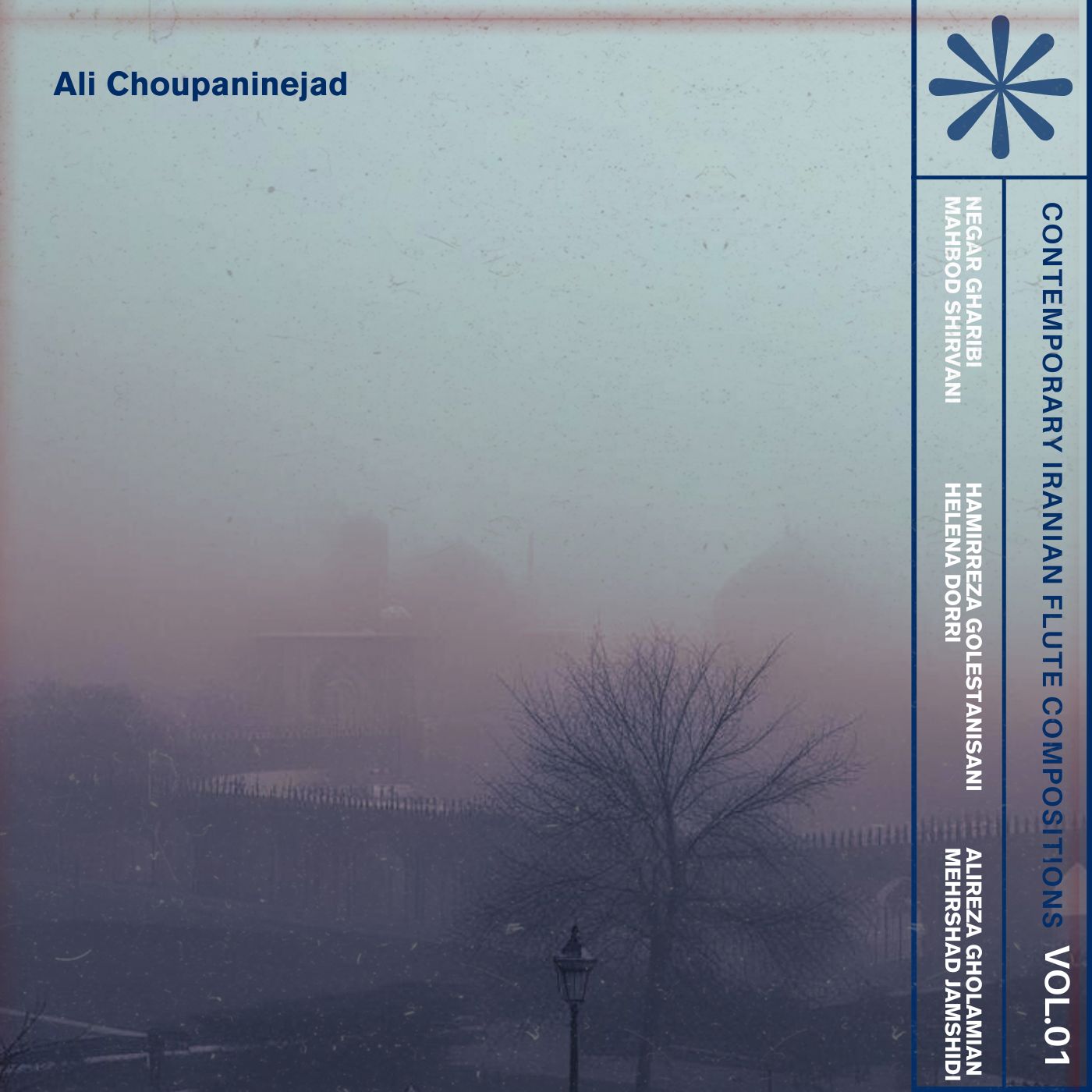
Contemporary Iranian Flute Compositions — Vol. I — cover

Contemporary Iranian Flute Compositions — Vol. I

For many years, I have been fascinated by a simple question: what makes music sound Iranian?

As I discovered contemporary music from different parts of the world, I often found myself wondering how Iranian composers respond to the same questions of form, sound, and expression. If we can sometimes recognize traces of place, language, or culture in music, where do those traces appear in the work of contemporary Iranian composers?

This album is not an answer to that question. It is a collection of encounters with it.

The pieces gathered here were written by composers from a younger generation of Iranian artists, each with their own voice and approach. Rather than presenting a single image of contemporary Iranian music, they reveal a diversity of perspectives, aesthetics, and musical languages.

Most of these recordings were made at home, as part of an ongoing personal effort to perform, document, and share works that deserve to be heard more widely.

I hope this small collection can serve as an introduction to some remarkable composers and as a modest contribution to the growing archive of contemporary Iranian music.

↳ Booklet

Graphic design — Ali Choupani Nejad

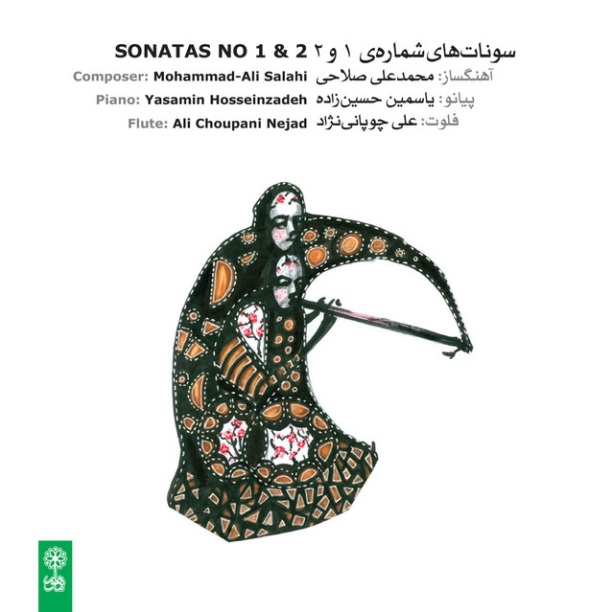
Sonatas No. 1 & 2 — cover

Sonatas No. 1 & 2

  • Composer: Mohammad-Ali Salahi
  • Piano: Yasmin Hoseinzadeh
  • Flute: Ali Choupani Nejad

This album presents a work by Iranian composer Mohammadali Salahi, shaped through a personal approach to sonata form and inspired by the modal language of Persian classical music (Radif).

What interests me about this piece is the way it carries traces of the radif without attempting to imitate it. The relationship feels more subtle than direct quotation. Familiar gestures, melodic tendencies, and a particular sense of movement seem to emerge and disappear throughout the work.

Performed together with pianist Yasmin Hoseinzadeh, this recording explores a musical landscape that feels at once intimate and restless. The piece moves through different emotional states while maintaining a strong internal logic, revealing a highly personal dialogue between contemporary composition and musical memory.

Rather than presenting a fixed image of Iranian identity, the work leaves space for ambiguity. Perhaps that is what I find most compelling about it.

Where Can I Go? — cover

Where Can I Go?

This album began with a question.

One morning, I woke up asking myself: Where should I go?

Like many questions that seem simple at first, it slowly expanded. I found myself thinking not only about direction, but about how often we live with the feeling that we should already know what comes next.

Instead of looking forward for an answer, I decided to look back.

The pieces on this album grew from musical ideas, sketches, and fragments I had written years earlier — sometimes as a child, sometimes as a teenager. Returning to them felt less like revisiting old compositions and more like meeting earlier versions of myself. Some themes remained almost unchanged, while others transformed completely through the process of reconstruction.

In this sense, the album became an exploration of memory rather than destination. The question "Where can I go?" unexpectedly led me to places I had already been.

Looking back, I think this music was never really about finding an answer. It was about learning to listen again to things I had almost forgotten.

↳ Booklet

Graphic design — Ali Choupani Nejad